News
Regional electricity market to be launched in Central Asia
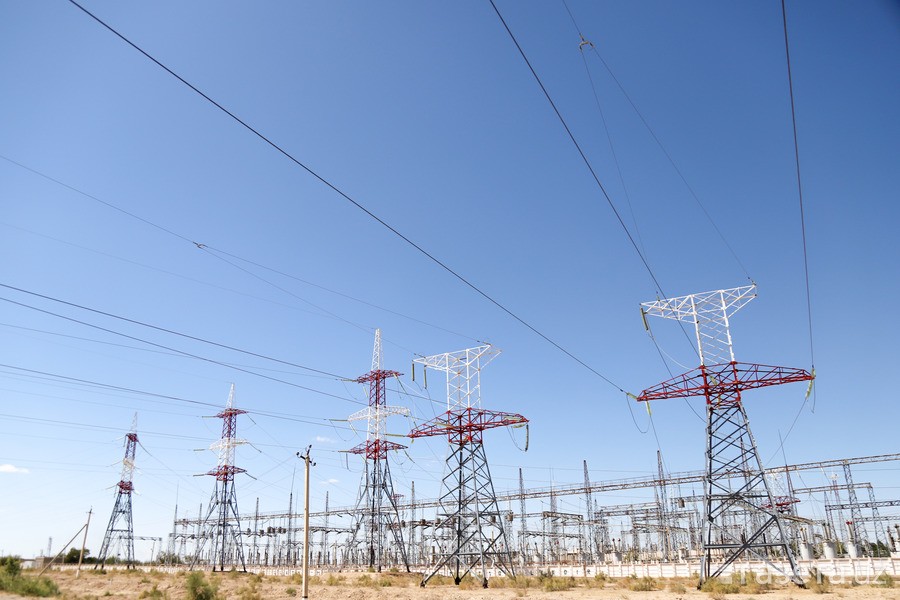
The World Bank will support the creation of Central Asia’s first regional electricity market. On January 22, the Bank approved a 10-year program titled “Central Asia Regional Electricity Market Development and Power System Integration” (REMIT).
The program aims to leverage the region’s complementary energy resources, including hydropower in Kyrgyzstan and Tajikistan, electricity generation at thermal power plants in Uzbekistan, Kazakhstan and Turkmenistan, as well as the growing potential of solar and wind energy across all Central Asian countries.
“Strengthening regional energy integration will help create a more balanced and resilient power system, reduce electricity outages, and lower energy costs for households and businesses,” the statement said.
According to the World Bank, electricity trade in the region currently accounts for only about 3% of total demand. Renewable energy sources make up just around 4% of electricity generation, despite Central Asia’s abundant and complementary clean energy resources that remain underutilized.
As regional economies grow, populations increase, industries develop and cities expand, demand for affordable, reliable and sustainable energy will continue to rise steadily. Based on current trends, demand could triple by 2050.
The REMIT program will help increase electricity trade volumes to at least 15,000 GWh per year—sufficient to meet the annual needs of the region’s population. It will also more than triple transmission capacity to 16 GW and enable the integration of up to 9 GW of clean energy capacity into national power systems.
World Bank Regional Director for Central Asia Najy Benhassine noted that deeper energy integration and expanded electricity trade could generate up to $15 billion in economic benefits for the region by 2050.
The total estimated financing of the REMIT program amounts to $1.018 billion and will be implemented in three phases. The funds will be used to develop and launch the regional electricity market, strengthen regional transmission infrastructure, deploy digital systems to enhance grid reliability, and reinforce regional institutions and coordination in the energy sector.
Investments under the program will also help create new jobs in energy infrastructure construction and for highly skilled professionals in regional market management, the statement said.
During the first phase, Uzbekistan, Kyrgyzstan and Tajikistan, along with the Central Asian countries’ coordination and dispatch center “Energia,” will receive grants and concessional financing totaling $143.2 million. This includes $140 million from the World Bank’s International Development Association (IDA) and $3.2 million in grants from the Central Asia Water and Energy Program (CAWEP), managed by the World Bank in partnership with the European Union, Switzerland and the United Kingdom.
As part of the first phase, around 900 MW of new clean energy capacity will be integrated into power grids, helping mobilize approximately $700 million in private investment, said Charles Cormier, World Bank Director for Infrastructure in Europe and Central Asia.
The program’s regional steering committee will include energy ministries and implementing agencies from Central Asian countries.
Plans to launch a unified regional electricity trading platform jointly with the World Bank were reported in late 2024.
Source
